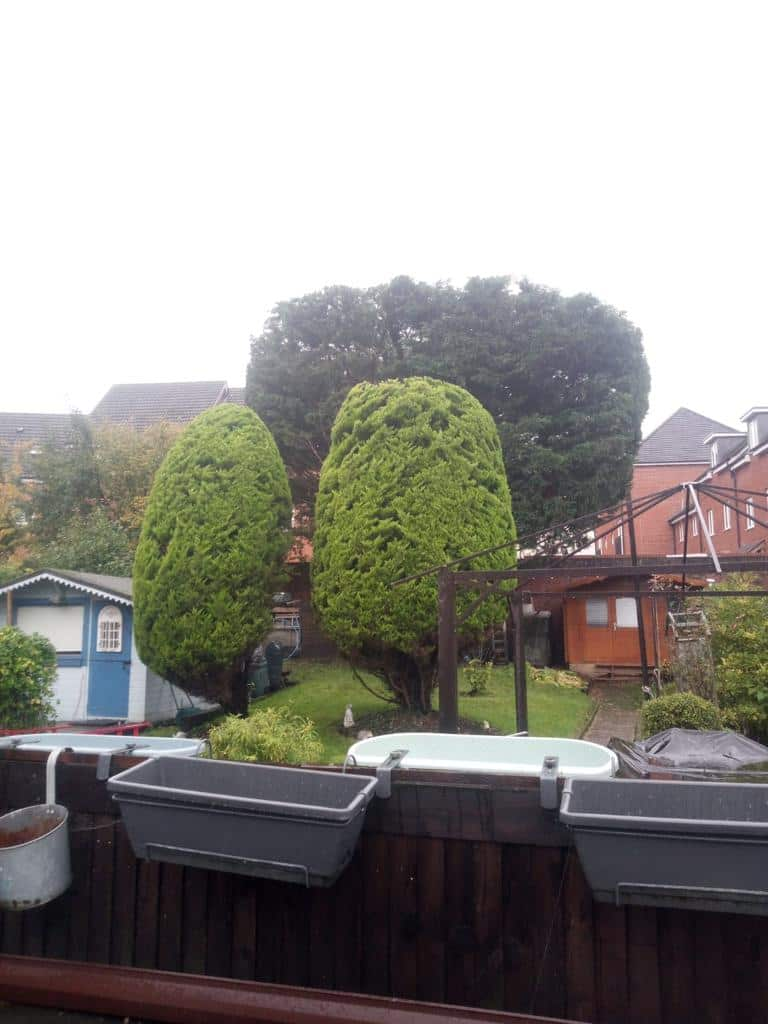
Tree felling is generally considered when a tree can no longer be retained through suitable pruning, crown reduction or ongoing maintenance. The decision may be influenced by structural deterioration, inappropriate positioning or changes to the way a garden needs to function.
Because every tree and site is different, removal should follow a professional assessment. For homeowners in Havant, Hampshire, this helps establish whether felling is genuinely necessary and how the work can be completed in a controlled manner.
When Professional Tree Felling May Be the Right Solution
The following seven situations are common reasons homeowners ask a tree surgeon to assess a tree for removal.
1. The Tree Is Dead or in Severe Decline
A dead tree no longer produces healthy new growth and will gradually lose structural strength as its timber deteriorates. Branches may begin falling, while decay can extend through the trunk and root system.
A declining tree may still retain some foliage, so its condition is not always obvious from appearance alone. A professional assessment considers crown vitality, bark condition, structural defects and signs of decay before determining whether recovery or retention is realistic.
2. The Main Structure Is Seriously Damaged
Large cracks, major splits and weakened branch unions can affect the integrity of the entire tree. Damage may result from severe weather, previous branch failure, decay or unsuitable earlier pruning.
Some isolated defects can be managed by removing or reducing affected branches. Felling may be more appropriate when deterioration involves the main trunk, several principal limbs or other components essential to the tree’s stability.
3. Root Damage Has Affected Stability
Roots provide anchorage as well as supplying water and nutrients. Significant root damage can therefore affect both the health and stability of a tree.
Warning signs may include a newly developing lean, movement around the base, exposed damaged roots or changes in the surrounding ground. As much of the root system is hidden, these symptoms require careful interpretation. Where stability has been seriously compromised, pruning the crown alone may not provide a suitable long-term solution.
4. The Tree Has Outgrown Its Position
A tree that was appropriate when young may eventually become too large for the space available. Its crown may dominate the garden, repeatedly obstruct access or grow excessively close to buildings and other features.
Crown reduction can sometimes retain the tree at a more manageable size. However, repeated severe cutting is not suitable for every species and may create vigorous, weakly attached regrowth. Removal may be considered where proportionate pruning cannot provide a sustainable result.
5. The Tree Is Causing Persistent Practical Problems
Some trees create continuing difficulties because of where they are growing rather than because they are unhealthy. Dense shade may prevent other planting from developing, low branches may restrict movement, or the root flare and surrounding growth may make an area difficult to use.
Selective pruning, crown lifting or thinning may resolve these issues. Felling becomes a consideration when the problems cannot be corrected without repeatedly removing excessive amounts of growth.
6. Storm Damage Has Left the Tree Beyond Sensible Repair
Severe weather can break major limbs, split branch unions or leave a tree heavily unbalanced. Even when the tree remains standing, the loss of important sections may place additional strain on the remaining structure.
A professional tree surgeon will assess what has failed, the quality of the remaining wood and whether the crown can be rebalanced. If too much of the main structure has been lost or weakened, controlled removal may be the most appropriate response.
7. The Garden Is Being Redesigned
Homeowners sometimes consider tree felling when changing the layout or intended use of a garden. A poorly positioned tree may prevent the creation of a practical lawn, seating area, path or planting scheme.
Removal should not be an automatic part of redesigning a garden. Mature trees provide height, shade and character that can be difficult to recreate. A professional assessment can determine whether pruning or crown management would allow the tree to remain within the new layout before felling is considered.
Why Professional Assessment Matters
A tree can look healthy while containing significant structural defects, or appear damaged while remaining suitable for careful management. Decisions based only on visible size, foliage or a single branch can therefore be misleading.
A tree surgeon should consider:
- the species and likely growth pattern
- crown vitality and leaf condition
- the trunk and principal branch unions
- visible decay, cavities and cracking
- root-zone changes
- the tree’s position and surroundings
- previous pruning and resulting regrowth
- whether suitable remedial work could retain the tree
The objective is to recommend work that is proportionate to the condition of the tree.
How Professional Tree Felling Is Planned
Where removal is appropriate, the method depends on the available space and surrounding features. A tree in an open area may be felled as a whole when conditions permit. In a confined garden, sectional dismantling may be required.
Sectional work involves removing the crown and trunk in controlled pieces. Ropes and suitable equipment may be used to lower sections away from buildings, fences, planting and access routes. Planning the sequence of work is essential because changes to the crown alter the tree’s balance as dismantling progresses.
Could Pruning Be a Better Alternative?
Before recommending felling, it is worth considering whether the concern could be addressed through:
- dead wood removal
- selective pruning
- crown lifting
- crown thinning
- crown reduction
- removal of one defective limb
- continued monitoring and maintenance
These options may retain a valuable tree when its overall condition remains sound. Removal is more likely to be appropriate when defects are widespread, the main structure is compromised or repeated pruning cannot provide a sustainable outcome.
Conclusion
Homeowners arrange professional tree felling when a tree is dead, structurally damaged, unstable, unsuitable for its position or beyond sensible repair after severe weather. Persistent practical problems and major garden changes may also lead to removal, but only after retention options have been considered.
If you are concerned about a tree at your property in Havant, Hampshire, LM Tree Surgery Havant can assess its condition and explain whether pruning, reduction or professional felling is the most appropriate solution. Contact the team to arrange an evaluation.
Call us on: 023 8001 2385
Click here to find out more about LM Tree Surgery Havant
Click here to complete our contact form and see how we can help with your tree needs.