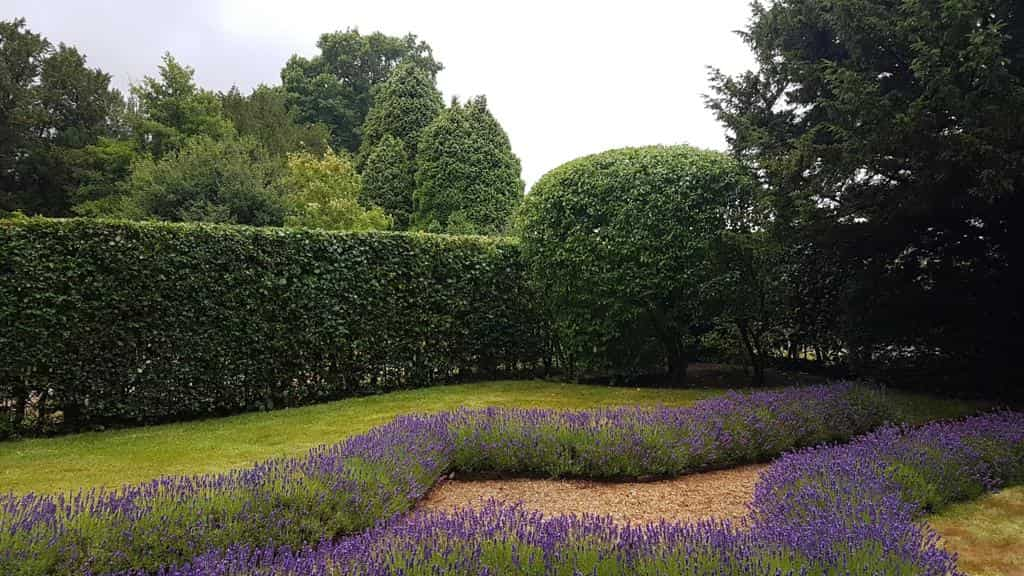
Trees add structure, shade, and character to outdoor spaces, but when too many trees grow within a confined area, competition for light, water, and nutrients can lead to long-term problems. Overcrowding can reduce overall tree health, increase instability, and diminish the appearance of the landscape. In Havant, Hampshire, selective felling is sometimes necessary to restore balance and allow remaining trees to thrive.
At LM Tree Surgery Havant, selective tree felling is approached carefully, with a focus on improving the health and stability of the wider tree group rather than simply removing growth.
Signs Trees Are Competing for Resources
When trees are planted or self-seeded too closely together, their root systems compete beneath the surface while their canopies compete above. Signs of overcrowding include:
- Thin, elongated growth as trees stretch for light
- Sparse foliage in lower branches
- Reduced vigour or slower overall development
- Increased susceptibility to disease or storm damage
Selective felling can relieve this pressure and improve growing conditions for the remaining trees.
When Structural Stability Becomes a Concern
In dense clusters, trees may grow tall and narrow as they compete for sunlight. This can lead to weaker trunk development and shallow root spread.
If trees begin leaning or appear top-heavy, the risk of failure increases, particularly during strong winds. Removing selected trees can reduce strain on the group and improve structural stability.
Managing Light and Airflow
Overcrowded canopies restrict airflow and limit sunlight penetration. This creates damp, shaded conditions that encourage fungal issues and decay.
Selective felling allows light and air to circulate more freely, supporting healthier foliage and reducing disease risk across the remaining trees.
Protecting Nearby Structures and Boundaries
In residential areas of Havant, Hampshire, closely grouped trees can encroach on buildings, fences, or neighbouring properties. As trunks and roots expand, they may cause conflict with surrounding structures.
Removing selected trees helps maintain safe distances and reduces the likelihood of long-term structural stress.
Supporting Long-Term Landscape Planning
Tree growth changes over time. What once appeared balanced may gradually become overcrowded as trees mature.
Selective felling forms part of responsible landscape management, ensuring outdoor spaces remain usable, visually appealing, and structurally safe as trees develop.
Why Professional Assessment Is Essential
Deciding which trees to remove requires careful evaluation. The goal is not simply to thin the area but to identify which trees are most suitable to retain for long-term health and visual structure.
Professional tree surgeons assess species, condition, positioning, and growth patterns before recommending selective felling. This ensures that the remaining trees benefit from improved space and resources.
Balancing Preservation and Practicality
Selective felling is often the most balanced solution when overcrowding begins to compromise safety or vitality. Rather than allowing all trees to decline together, careful removal supports a healthier, more sustainable group.
This proactive approach protects both the landscape and the property.
Conclusion
Overcrowded trees should be selectively felled when competition for resources reduces health, stability becomes compromised, or nearby structures are affected. Thoughtful, professional intervention can significantly improve the long-term condition of the remaining trees.
For property owners in Havant, Hampshire, LM Tree Surgery Havant provides expert assessment and responsible selective felling services. If your trees appear overcrowded or unbalanced, our experienced team is ready to offer practical advice and professional tree surgery tailored to your landscape.
Call us on: 023 8001 2385
Click here to find out more about LM Tree Surgery Havant
Click here to complete our contact form and see how we can help with your tree needs.